How to Enter the German Market
A 90-minute online masterclass for B2B companies with traction, ready to conquer the German market.
Germany is the market everyone looks at once they are ready for expansion
It is also the market where good companies stall for reasons that have nothing to do with their product. Meetings go well. People are interested. Then the deal sits somewhere for two quarters and nobody can say exactly where.
That is rarely a product problem. It is a question of who is actually allowed to buy something new, which pot of money it comes out of, and who has to agree before anyone signs.
“In Germany, interest is cheap and permission is expensive.”
Christian Voss
About the organizers
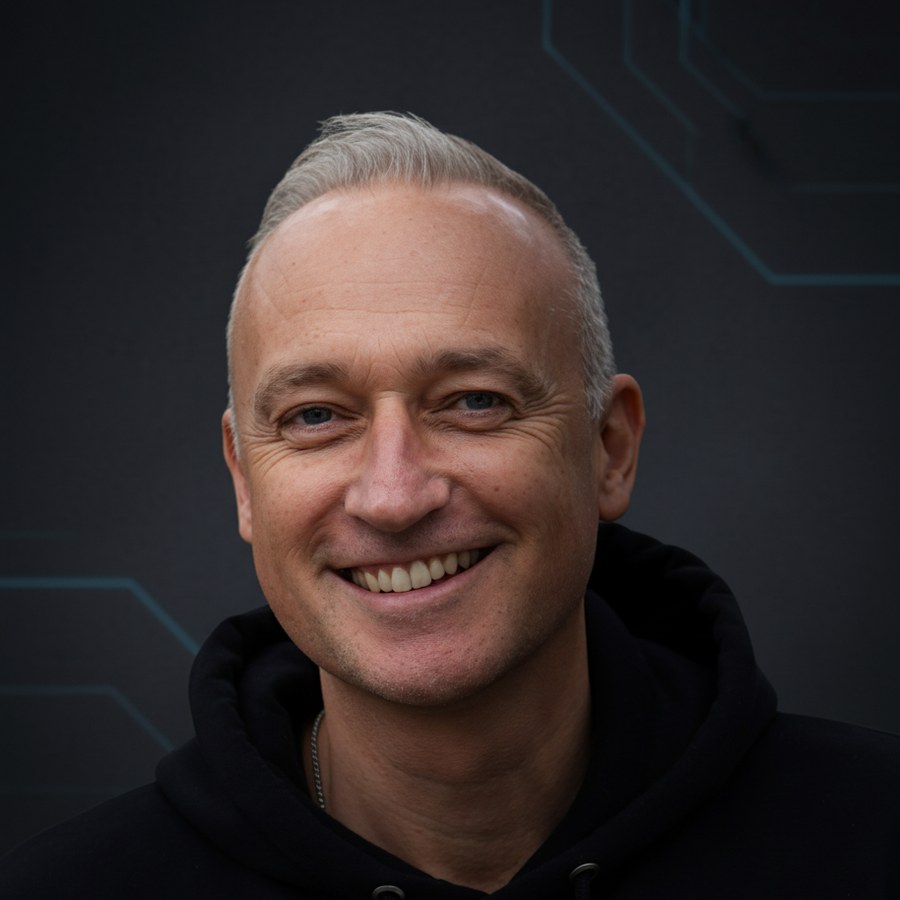
Christian Voss
He has spent 25 years in B2B sales, 16 of them with early-stage companies, and nearly all of it selling into Germany from inside Germany. He learned to sell at Mercedes-Benz, then ran his own automotive consulting business for six years.
He was Founding Head of Sales at German Bionic, putting exoskeletons into German industry, was part of the team at Advanced Telematic Systems through its acquisition by HERE Technologies, and led commercial work at Green City Solutions and NeoCarbon. The largest company he has run a German market entry for is LIXIL, the Japanese building materials and housing group. Every one of those products was a category German buyers had never bought before, sold into a market that is structurally cautious about exactly that. Which is the problem you are bringing into the room.
Today he works as a Fractional Head of Sales for seed to pre-Series A founders in deep tech and hardware, bridging the gap to their first sales hire. Much of that work is companies from outside Germany entering the market.
“I am not a sales guru. I am the person you bring in when you want early sales processes to actually work in practice.”
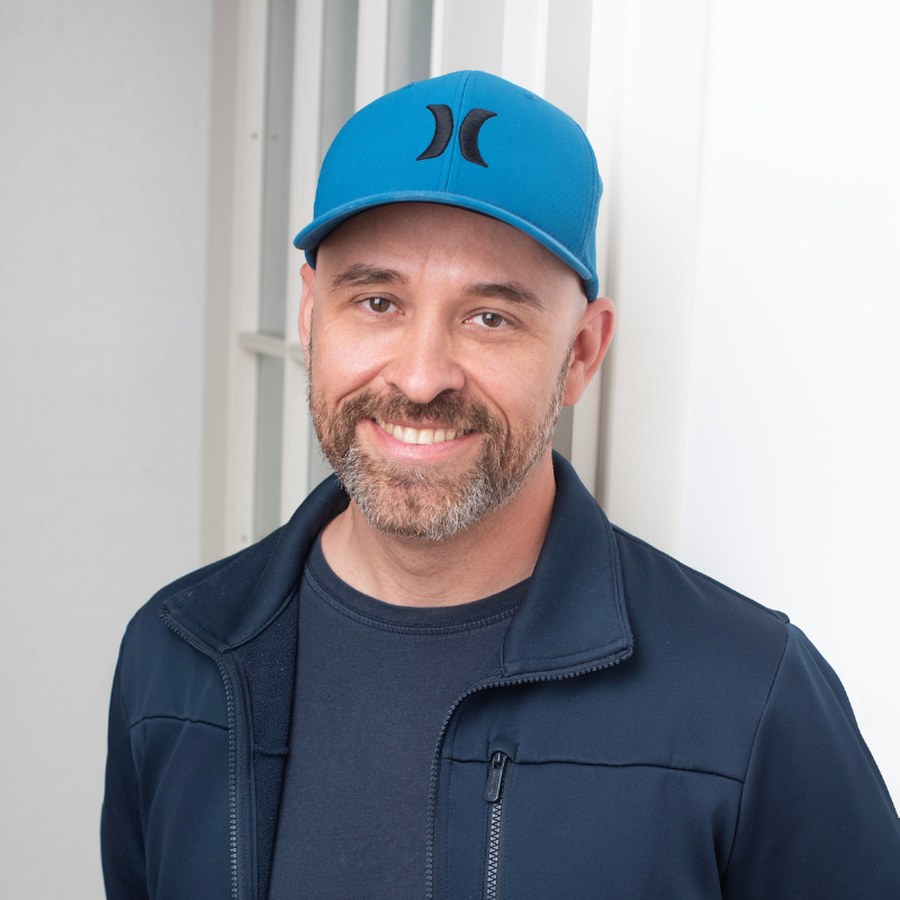
Péter Kovács
He is the founder of NetworkSmith, after more than 15 years building relationships across the global startup ecosystem. His work rests on one idea: companies reach new markets through trusted networks, not cold outreach.
He co-founded three companies and has since exited all of them. Founded in 2013, the Global Startup Awards is the world’s largest independent startup ecosystem competition, covering more than 150 countries. IseeQ, founded in 2012, is a specialist headhunting agency for scaleups and large companies across Europe and beyond, working in emerging technology fields. Budapest Startup Safari, which he started in 2016, grew into Hungary’s largest international startup conference during his years running it.
He advises founders and innovation programs on market entry, runs networking workshops across Europe and beyond, and helps companies see which markets their own people already reach. He is also an angel investor in five companies across Europe and Asia.
“People tend to think they understand a market, but never as well as someone who is local.”
Built for teams with traction and Germany on the map
This is for you if
- You are 5 to 50 people, selling B2B
- You already have paying customers
- The founder or a small team still carries sales
- Germany or the wider DACH region is a target
- Deep tech and hardware-adjacent teams are the sweet spot, though not a requirement
This is not for you if
- You are pre-revenue or at idea stage
- You sell to consumers (B2C)
- You already run a German sales organization
- You are only looking around
One block, no filler
The middle of the session is the reason to come. Two real companies in the room get their situation worked through live.
Welcome
Who is in the room, and what everyone leaves with.
Why good companies stall in Germany
Three patterns, none of them about the product. The home playbook does not transfer, nobody owns the German deal, and selling too early to too many.
Germany is not one market
Who actually buys something new, which budget it comes from, and what stops the deal once they want to. The works council, certification as a gate, and the proof chain from a top three business priority to a proof of value to references.
What transfers, and what does not
A rescue, not a demolition. What carries over from the playbook you already have, and what has to be rebuilt for Germany.
Two live cases
Two companies from the room, worked through in the open. Prepared in advance with each of them, so the time goes into the problem rather than the background.
The first 90 days
A concrete sequence from target list to first proof of value, structured so the commercial next step is agreed before the proof of value starts. Everyone leaves with the one-page template.
Next steps and questions
What you can do next, then open questions to the end.
Two real cases, worked through live
Most online sessions give you frameworks. This one spends its longest block on two companies that are actually in the room, with their actual stuck deals.
You say on the application whether you would be open to having yours worked through. If you are selected, Christian speaks with you beforehand so you know what to expect, and you decide what is off limits. Nothing gets discussed that you have not agreed to.
If you would rather just listen, that works too and it does not affect your application.
What you leave with
- A clear read on which German buyer fits what you sell, and which budget your deal would come out of
- The one qualification question that tells you whether a deal moves in weeks or in quarters
- A one-page plan from target list to first proof of value
- The recording and a written summary, shared only with the people who registered
- The option to book a free 30-minute 1:1 follow-up with Christian afterwards
- An invitation to a closed community, where participants stay in touch, help each other out and, more often than you would expect, end up doing business together
- Optionally, free tickets to various startup and innovation events across Europe and beyond over the next year
The details worth knowing before you apply
- When. Wednesday, 11th November 2026, 10.00 am CET
- How long. 90 minutes, one block, no break
- Where. Online. The joining link comes with your confirmation
- Language. English
- Seats. Up to fifteen. The room is kept small so the live cases and the questions actually fit
- Ticket. EUR 50 net*. Companies registered in Hungary pay 27% VAT on top (EUR 63.50). Companies registered outside Hungary pay EUR 50, with no Hungarian VAT.
- Recording. The session is recorded and shared only with the people who registered. What is discussed in the room stays in the room, and everyone agrees to that at registration
Two ways forward
Apply for a seat
The application takes about five minutes. It asks what you sell, where you are with Germany, and what has been getting in the way.
You pay at the end of the form, and your seat is confirmed straight away. We read every answer before the session, because the room and the live cases are built around what you send us.
ApplyLearn more before applying
Not sure this is the right session for where you stand with Germany today? Tell us about your company and what you are running into.
We will come back to you. No pitch, and no obligation to apply afterwards. If something else fits better, we will point you at it.
Get in touch* EUR 50 net is an introductory price for this first session. We reserve the right to price later sessions differently.